Beyond the Bed Count: What Great PBSA Should Actually Do
21 September 2026
Australia needs more student accommodation. But the next generation of PBSA can’t simply be a race to stack more beds onto constrained sites.
Purpose-built student accommodation currently serves only around 7 per cent of university students, with an estimated shortfall of approximately 185,000 beds nationally. Even with significant investment and around 34,000 new beds forecast over the next several years, supply will continue to fall well short of demand.
While we work out how to quickly increase the bed count, there’s a need to create places that genuinely support student life. As universities compete globally for students, accommodation is increasingly part of the educational offer itself: a place where students establish independence, build friendships, develop routines, find support and form a sense of belonging. The quality of that experience has a direct impact on wellbeing, academic engagement and, ultimately, institutional reputation.
No longer simply a housing product attached to a university, student accommodation is a visible expression of a university’s values and ambitions, and one of the most tangible ways it can demonstrate a commitment to student success. The next generation of PBSA should therefore be understood not merely as real estate, but as an essential piece of educational and social infrastructure.
The campus is the experience
The best student housing is part home, part campus, part social infrastructure. It must be safe, affordable, welcoming, operationally simple and capable of supporting a remarkably diverse group of young adults at a formative point in their lives.
As teaching becomes increasingly digital, the reason to physically come to university is changing. While content can be delivered anywhere, community can’t – which makes the spaces around teaching more important: the library, café, lawn, studio, clubroom – and increasingly, the place students live.
Great PBSA behaves less like an isolated apartment building and more like another piece of campus, which means knowing the campus: its shortcuts, social nodes, landscape, night-time patterns, traditions and character. Extend the campus ecology to the accommodation building.
There is no ‘typical student’
The resident cohort isn’t one market. An international student arriving in Australia has different needs from a local student moving twenty minutes from home. A student from regional Australia may be navigating city life as well as university life. A first-year student may want reassurance and connection; a postgraduate may value independence and calm.
Cultural background, neurodiversity, gender, disability, faith and financial capacity all shape how people experience space. Designing for diversity means providing choice: lively and quiet, communal and private, indoor and outdoor. Study settings from solitary booths to group tables. Social spaces for six people as well as sixty.
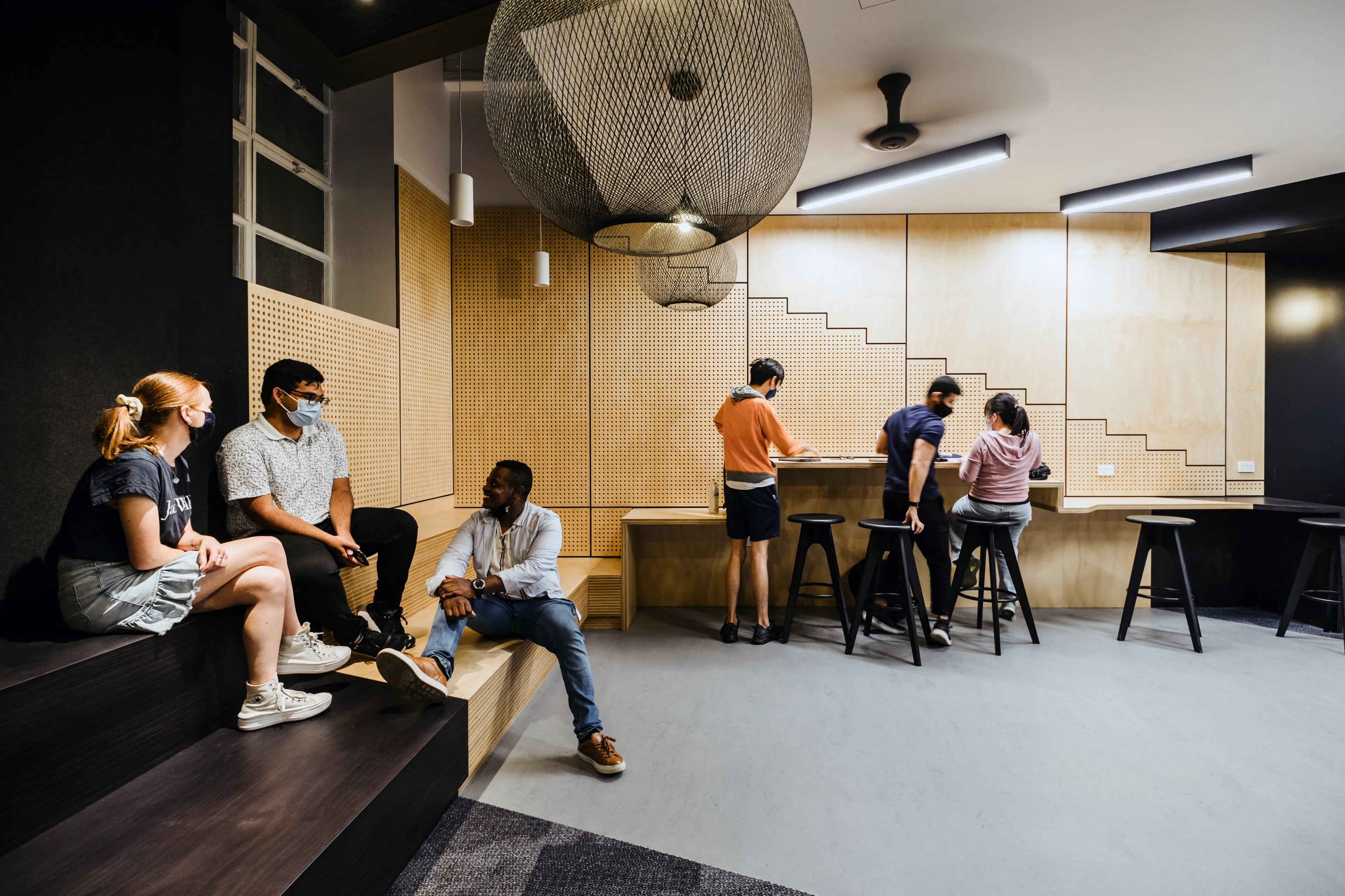
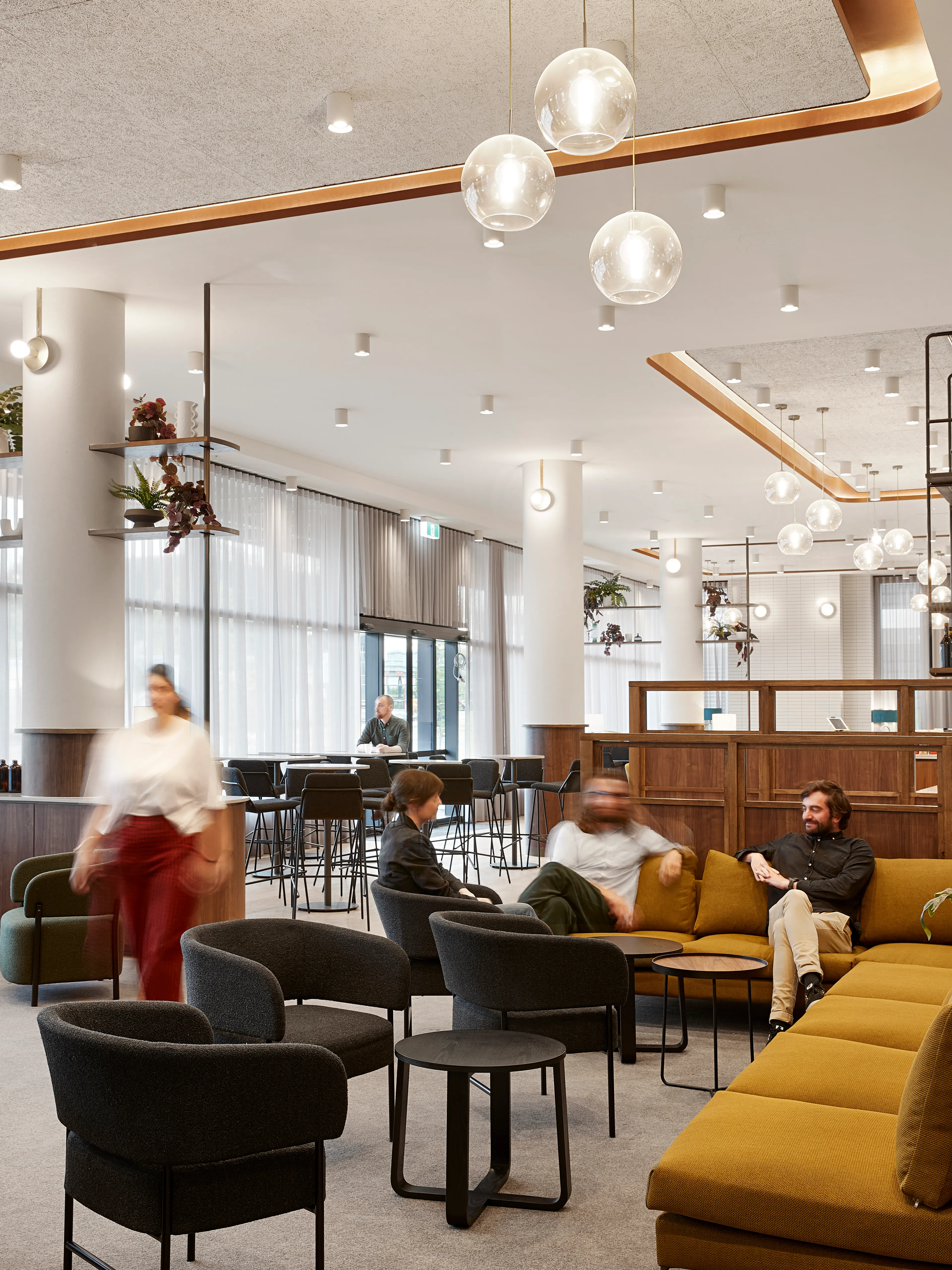
Adelaide University Helen Mayo South Upgrade by ARM
Safety has to be designed in
Safety is not a security desk in the foyer. It begins with sightlines, thresholds, lighting, access control, circulation and the relationship between bedrooms, shared spaces and staff presence.
Gender-based violence prevention, safeguarding, wellbeing and pastoral care should be embedded in the planning of the building, and baked into the architecture.
Residents should know where they are, who belongs there and where to go for help without the building feeling institutional or surveilled.Amenity should earn its keep
Amenity should earn its keep
PBSA has sometimes treated amenity as marketing theatre: cinema rooms, games rooms and oversized lounges that photograph well but are lightly used. Budget and space are squandered.
What do students actually do every day?
They study. Eat. Exercise. Wash clothes. Meet friends. Call family overseas. Collaborate. Decompress.
Great amenity is useful, adaptable and intensely used. It creates reasons to leave the bedroom without forcing socialisation.
Kitchens, laundries, circulation spaces and thresholds work harder when they are treated as opportunities for connection. Outdoor spaces matter too.
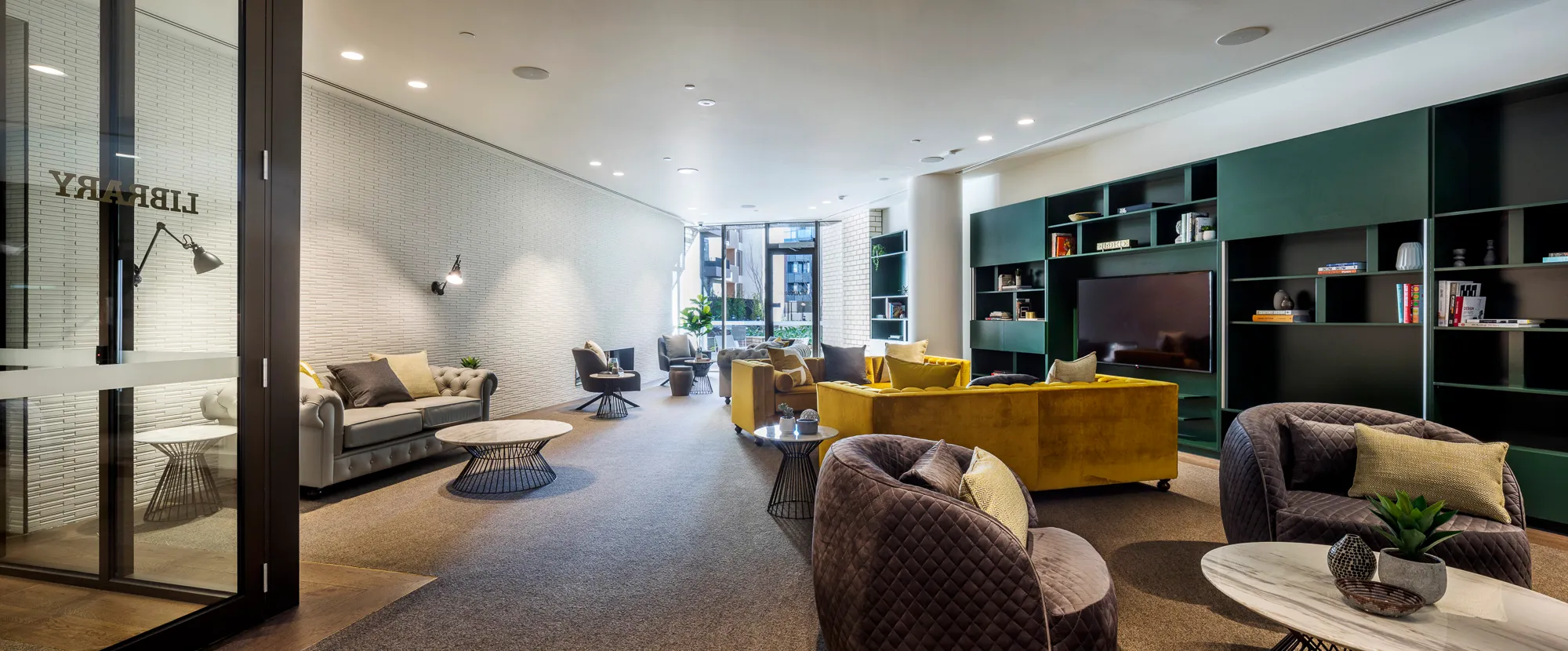
Caulfield Village by ARM
Affordability is a design brief
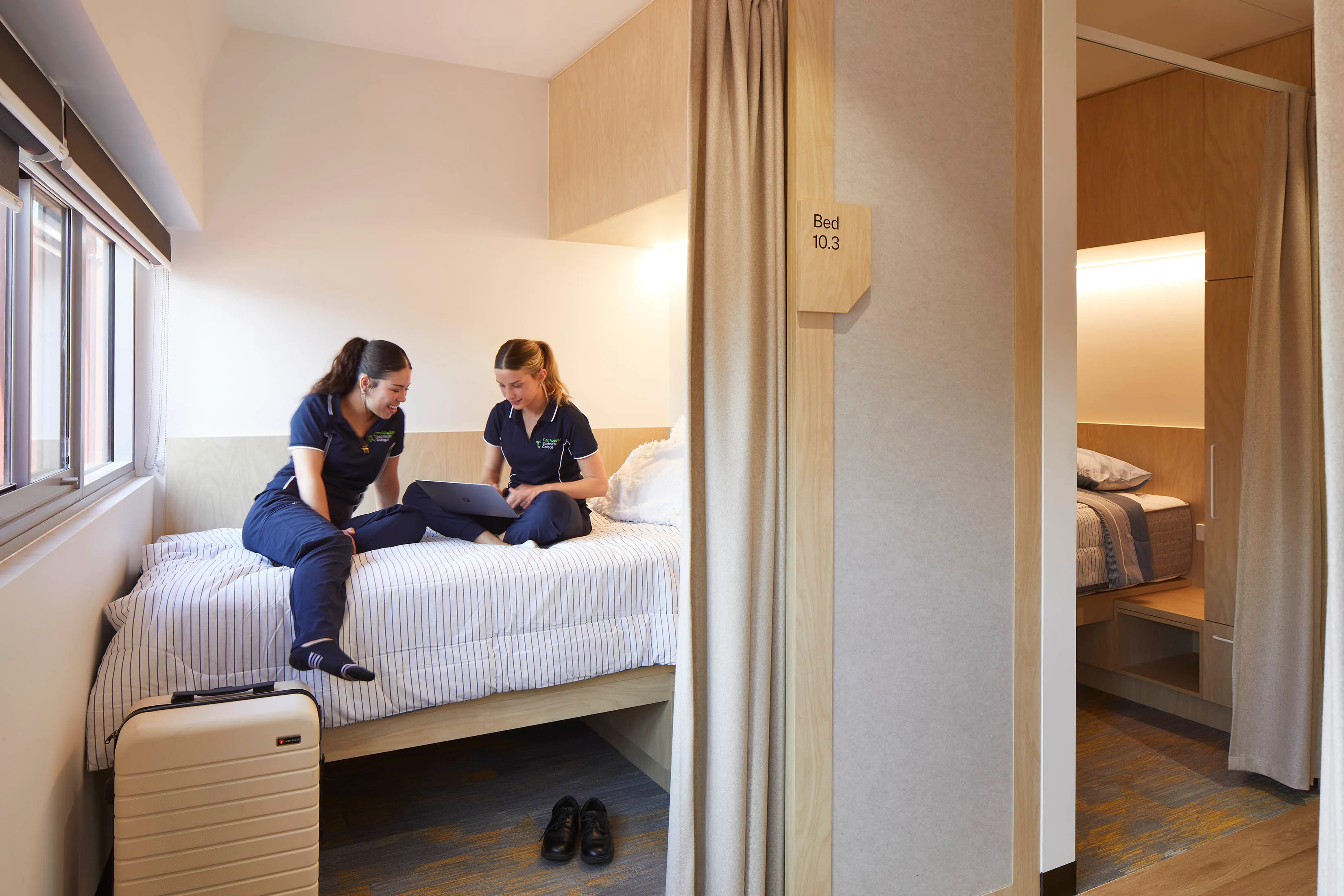
Cost-of-living pressure is reshaping student choices, and not everyone needs – or can afford – the same product. A mature PBSA offers a breadth of product and price points: compact rooms, shared apartments, studios and different bathroom and amenity configurations.
Lease models also need to evolve around semesters, placements, exchange and changing circumstances. At the same time, more students want the stability of staying beyond first year rather than entering a difficult private rental market.
Reputation made physical
When a university owns or operates student accommodation, the stakes are higher.
The building becomes part of the university’s promise to students and parents. Its safety, culture, maintenance and resident experience become part of the institutional brand.
PBSA must also be straightforward to run. Durable materials, clear circulation, efficient back-of-house, sensible servicing and intuitive systems aren’t secondary to the architecture – they are the architecture.
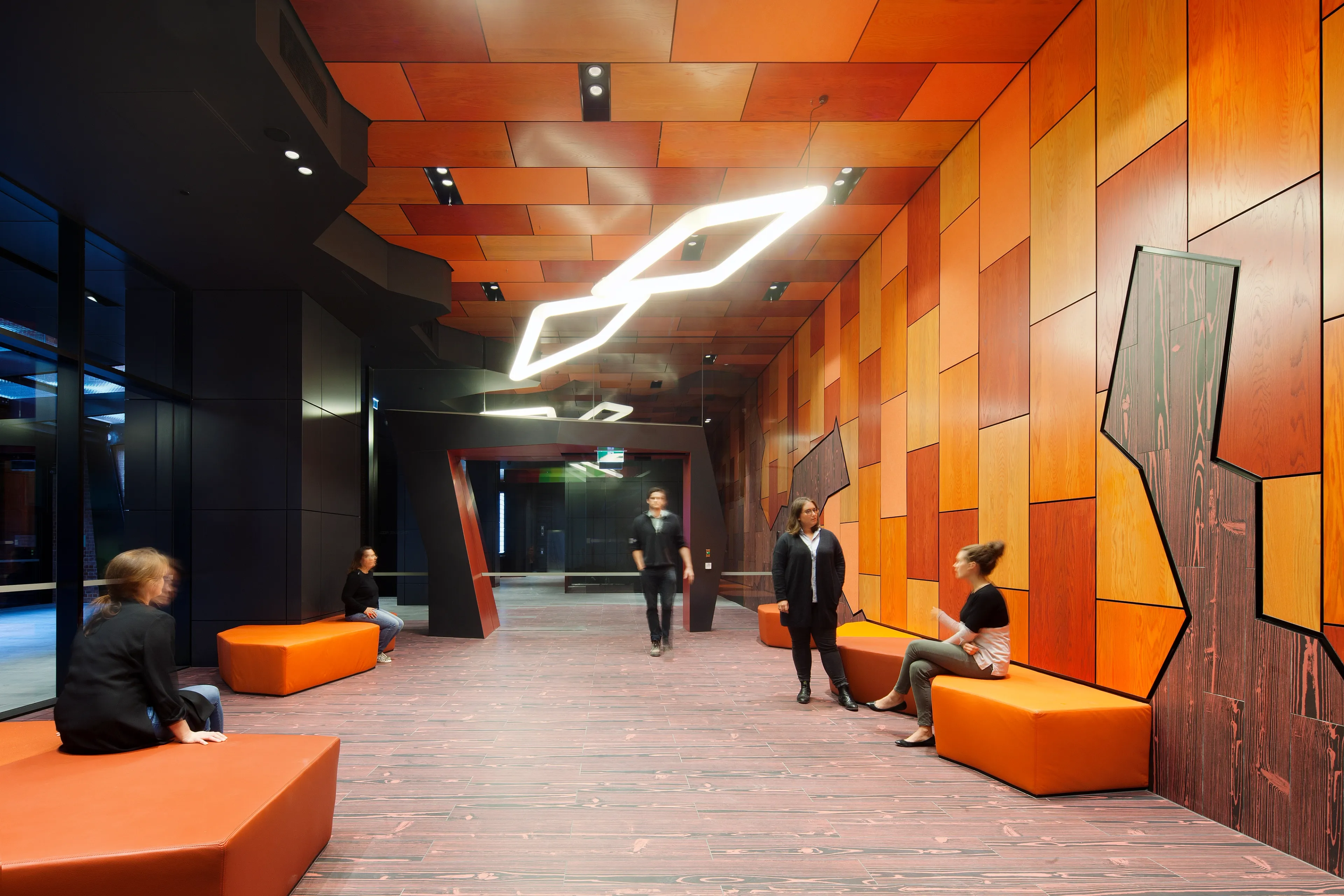
Barak Building by ARM
Independence – without isolation
Student accommodation sits somewhere between support and independence. Its residents are adults, often living independently for the first time. The job is not to over-program their lives. Nor is it to simply hand them a key.
The best PBSA creates the conditions for independence: privacy, autonomy and choice, alongside enough community and support to prevent isolation. Get that balance right and student accommodation becomes much more than housing. It becomes a place where students learn how to live with others, establish their identity, find their people and begin to belong.
Not simply more beds. Better beginnings.
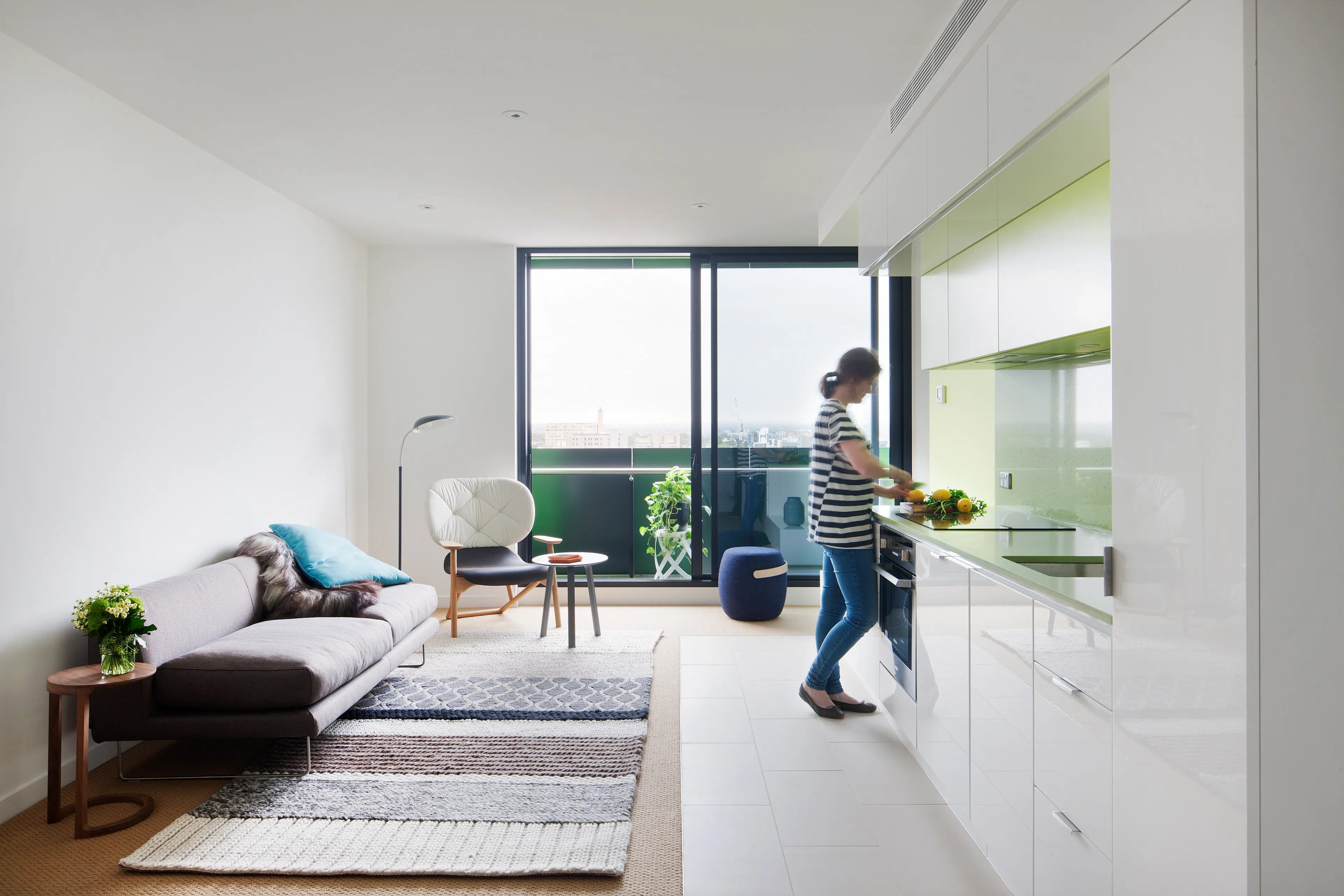
Barak Building by ARM
ARM Director and Sydney Studio Lead, Mark Raggatt, steers major civic and community developments. He’s also central to ARM’s educational and residential design portfolio, promoting safety, social equity, environmental response, and respect for regional and heritage contexts in projects that blend academic hub functions with residential amenities.